Understanding Your HVAC Installation Costs
When it comes to home comfort, few systems are as crucial as your heating, ventilation, and air conditioning (HVAC) system. However, understanding the costs associated with HVAC installation can be daunting. Whether you're upgrading an old system or installing a new one, knowing what to expect financially can help you make informed decisions. In this guide, we will break down the various factors that influence HVAC installation costs, providing you with a comprehensive understanding of what to anticipate.
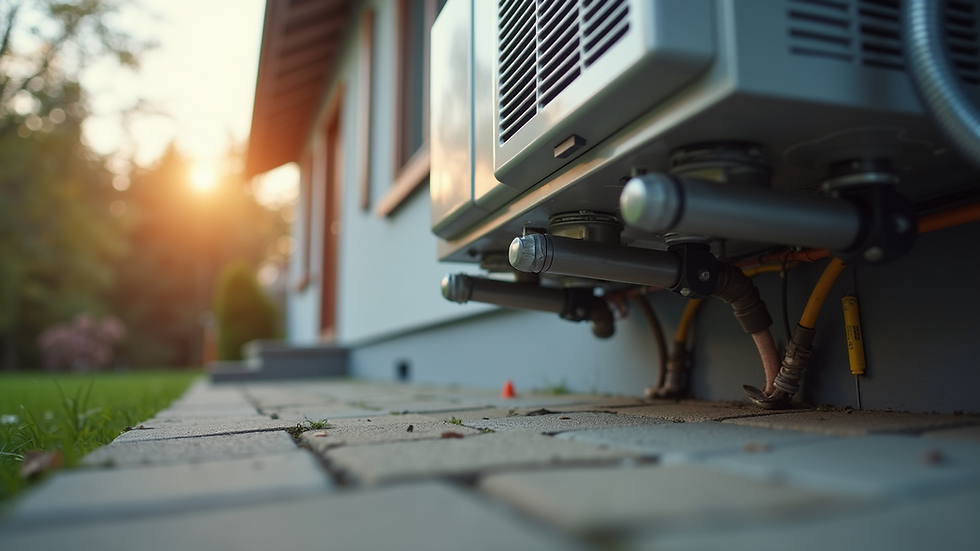
Factors Influencing HVAC Installation Costs
Type of System
The type of HVAC system you choose significantly impacts installation costs. Here are the most common types:
Central Air Conditioning: This system cools your entire home through ductwork. Installation costs can range from $3,000 to $7,000, depending on the size of your home and the efficiency of the unit.
Ductless Mini-Split Systems: These systems are ideal for homes without ductwork. Installation costs typically range from $2,000 to $5,000 per zone, making them a flexible option for targeted cooling and heating.
Heat Pumps: These systems can both heat and cool your home. Installation costs generally range from $4,000 to $8,000, depending on the type and efficiency.
Furnaces: If you live in a colder climate, a furnace may be necessary. Installation costs can vary widely, from $2,500 to $6,000, depending on the type of fuel used (gas, electric, or oil).
Size of the System
The size of your HVAC system, often measured in BTUs (British Thermal Units), is another critical factor. A system that is too small will struggle to heat or cool your home, while one that is too large can lead to inefficiencies and higher energy bills. A professional HVAC contractor will perform a load calculation to determine the appropriate size for your home, which can influence installation costs.
Energy Efficiency
Energy-efficient systems may have higher upfront costs but can save you money in the long run. Look for systems with a high Seasonal Energy Efficiency Ratio (SEER) rating for air conditioning and an Annual Fuel Utilization Efficiency (AFUE) rating for furnaces. While these systems can cost 10-20% more to install, the savings on your energy bills can offset the initial investment over time.
Ductwork
If your home requires new ductwork or modifications to existing ducts, this can significantly increase installation costs. Ductwork installation can range from $1,000 to $5,000, depending on the complexity and size of your home. If your existing ducts are in good condition, you may be able to save on costs by simply cleaning and sealing them.
Labor Costs
Labor costs can vary based on your location and the complexity of the installation. On average, you can expect to pay between $50 and $150 per hour for HVAC installation labor. It's essential to get multiple quotes from licensed contractors to ensure you're getting a fair price.
Additional Features
Consider any additional features you may want to include in your HVAC system, such as:
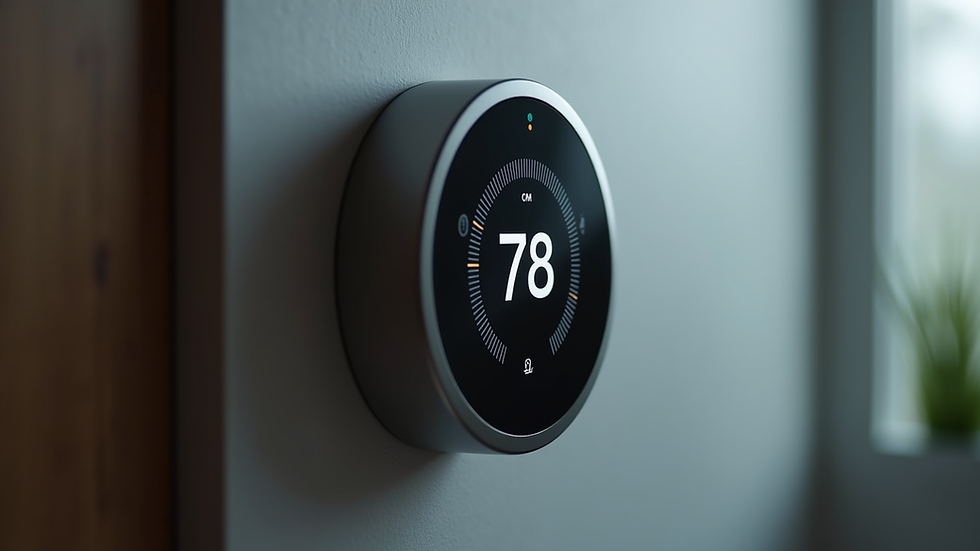
Smart Thermostats: These devices can help you manage your energy usage more efficiently. Installation costs typically range from $100 to $300.
Air Purifiers: If you have allergies or want to improve indoor air quality, adding an air purifier can cost between $300 and $1,000.
Zoning Systems: These systems allow you to control the temperature in different areas of your home. Installation can range from $1,500 to $3,000.
Understanding the Installation Process
Initial Consultation
The first step in the HVAC installation process is an initial consultation with a licensed contractor. During this visit, the contractor will assess your home, discuss your needs, and provide you with an estimate. This is a crucial step, as it allows you to ask questions and understand the options available to you.
Load Calculation
A load calculation is performed to determine the appropriate size of the HVAC system for your home. This calculation considers factors such as the size of your home, insulation levels, and local climate. A properly sized system will ensure optimal performance and energy efficiency.
Installation Day
On the day of installation, the contractor will arrive with the necessary equipment and materials. The installation process typically takes a full day, but it can vary based on the complexity of the job. During this time, the contractor will:
Remove the old system (if applicable)
Install the new HVAC unit
Connect ductwork (if necessary)
Test the system to ensure it operates correctly
Final Walkthrough
After installation, the contractor will conduct a final walkthrough with you. They will explain how to operate your new system, discuss maintenance tips, and answer any questions you may have. This step is essential to ensure you feel comfortable with your new HVAC system.
Maintenance and Long-Term Costs
Regular Maintenance
To keep your HVAC system running efficiently, regular maintenance is essential. This includes:
Changing Filters: Replace filters every 1-3 months to maintain air quality and system efficiency.
Annual Inspections: Schedule annual inspections with a licensed technician to identify potential issues before they become costly repairs.
Long-Term Costs
While installation costs are a significant consideration, it's also essential to factor in long-term costs, including:
Energy Bills: Energy-efficient systems can lead to lower monthly bills.
Repairs: Budget for potential repairs, which can vary based on system age and usage.
Replacement: HVAC systems typically last 10-15 years. Plan for eventual replacement costs.
Conclusion
Understanding your HVAC installation costs involves considering various factors, including the type of system, size, energy efficiency, and labor costs. By doing your research and working with a qualified contractor, you can make informed decisions that will enhance your home's comfort and efficiency. Remember, investing in a quality HVAC system is not just about the initial cost; it's also about long-term savings and comfort. Take the time to evaluate your options, and you'll be well on your way to enjoying a comfortable home year-round.
Comments