Seasonal Guide to Heating and Cooling Needs
As the seasons change, so do our heating and cooling needs. Understanding how to adapt your home’s climate control systems can lead to increased comfort, energy efficiency, and savings on utility bills. This guide will walk you through the essentials of managing your heating and cooling needs throughout the year.
Understanding Seasonal Changes
The Impact of Weather on Heating and Cooling
Weather patterns significantly influence how we heat and cool our homes. In winter, cold temperatures can lead to increased heating demands, while summer brings the need for cooling solutions. Understanding these patterns helps homeowners prepare for the upcoming seasons.
Winter: Cold temperatures can cause heating systems to work overtime. This is the time to ensure your heating system is efficient and ready for use.
Summer: High temperatures lead to increased reliance on air conditioning. Proper maintenance of cooling systems is crucial to avoid breakdowns during peak usage.
Energy Efficiency and Seasonal Adjustments
Adjusting your heating and cooling systems seasonally can lead to significant energy savings. Here are some tips to improve efficiency:
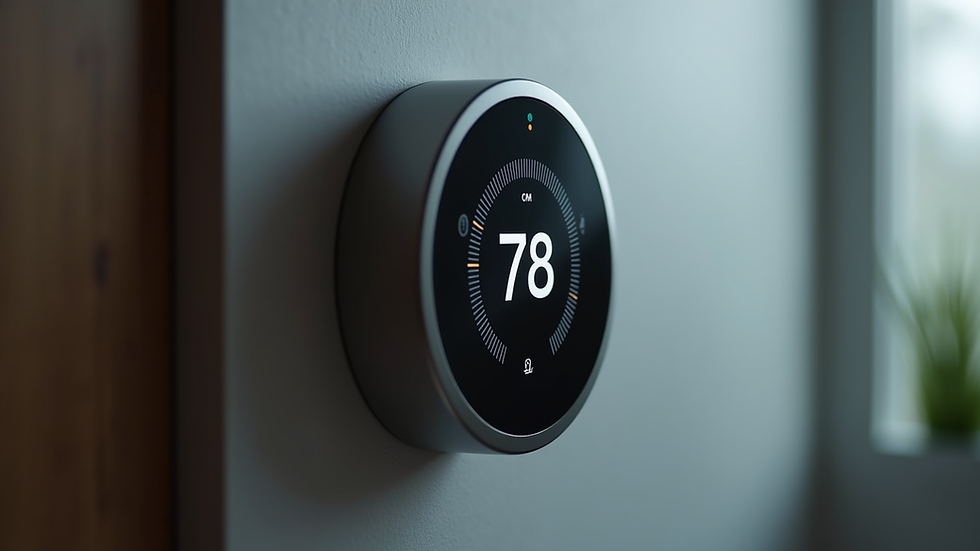
Thermostat Settings: Lower your thermostat in winter and raise it in summer. A difference of just a few degrees can lead to substantial savings.
Regular Maintenance: Schedule seasonal check-ups for your heating and cooling systems to ensure they are operating efficiently.
Insulation and Sealing: Proper insulation and sealing of windows and doors can prevent heat loss in winter and keep cool air inside during summer.
Heating Needs in Winter
Choosing the Right Heating System
Selecting the right heating system is crucial for comfort and efficiency. Here are common options:
Furnaces: These are popular for their efficiency and ability to heat large spaces quickly.
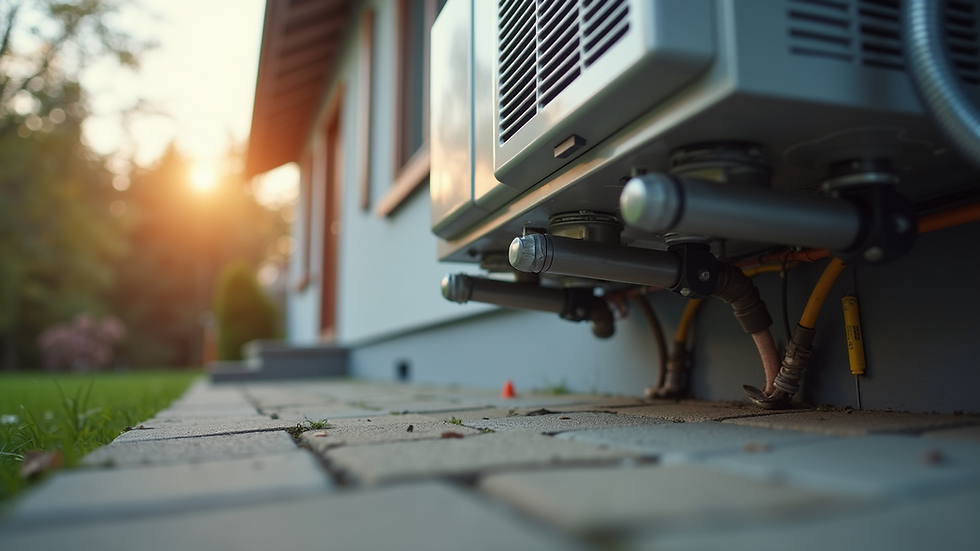
Heat Pumps: These systems can both heat and cool your home, making them versatile for year-round use.
Radiant Heating: This option provides warmth through floors or walls, offering a comfortable and even heat distribution.
Tips for Winter Heating
Use Programmable Thermostats: Set your thermostat to lower temperatures when you are not home.
Layer Up: Wear warm clothing indoors to reduce the need for higher heating settings.
Utilize Sunlight: Open curtains during the day to let in sunlight, which can naturally warm your home.
Cooling Needs in Summer
Selecting the Right Cooling System
Just as with heating, choosing the right cooling system is essential for comfort during the hot months. Here are some options:
Central Air Conditioning: Ideal for larger homes, providing consistent cooling throughout.
Ductless Mini-Split Systems: Great for homes without ductwork, allowing for targeted cooling in specific areas.
Evaporative Coolers: These are energy-efficient options for dry climates, using water evaporation to cool the air.
Tips for Summer Cooling
Close Blinds and Curtains: Keeping blinds closed during the hottest parts of the day can reduce indoor temperatures.
Use Fans Wisely: Ceiling fans can help circulate air and make you feel cooler without lowering the temperature.
Regular Maintenance: Clean or replace air filters regularly to ensure your cooling system operates efficiently.
Transitioning Between Seasons
Preparing for Seasonal Changes
As seasons shift, it’s important to transition your heating and cooling systems accordingly. Here are steps to take:
Fall Preparation: Before winter, inspect your heating system, clean vents, and check insulation.
Spring Preparation: Before summer, clean your cooling system, check refrigerant levels, and ensure proper airflow.
Seasonal Maintenance Checklist
Heating System:
- Inspect and clean the furnace or heat pump.
- Check and replace filters.
- Ensure vents are unobstructed.
Cooling System:
- Clean the condenser coils and evaporator.
- Check the thermostat settings.
- Inspect ductwork for leaks.
The Importance of Smart Technology
Smart Thermostats
Investing in smart thermostats can significantly enhance your heating and cooling efficiency. These devices learn your habits and adjust temperatures accordingly, leading to energy savings.
Remote Access: Control your home’s temperature from anywhere using your smartphone.
Energy Reports: Receive insights into your energy usage and tips for improvement.
Home Automation Systems
Integrating heating and cooling systems into a home automation system can provide convenience and efficiency. You can set schedules, receive alerts, and even control systems with voice commands.
Conclusion
Managing your heating and cooling needs throughout the seasons is essential for comfort and efficiency. By understanding the impact of seasonal changes, selecting the right systems, and implementing smart technology, you can create a comfortable living environment year-round.
Take the time to prepare your home for each season, and you’ll not only enjoy a more comfortable space but also save on energy costs. Start planning today to ensure your home is ready for whatever the weather brings!

Comments