Essential Maintenance Tips for HVAC Systems
Maintaining your HVAC system is crucial for ensuring comfort in your home or office, especially during extreme weather conditions. A well-functioning HVAC system not only keeps the temperature regulated but also improves air quality and energy efficiency. Neglecting regular maintenance can lead to costly repairs and reduced lifespan of your system. In this blog post, we will explore essential maintenance tips that every HVAC owner should follow to keep their systems running smoothly.
Understanding Your HVAC System
Before diving into maintenance tips, it’s important to understand the basic components of your HVAC system. An HVAC system typically consists of:
Heating Unit: This could be a furnace or heat pump that warms the air.
Cooling Unit: Usually an air conditioner or a heat pump that cools the air.
Ventilation System: Ductwork that distributes air throughout your space.
Thermostat: The control system that allows you to set your desired temperature.
Understanding these components will help you identify which areas require more attention during maintenance.
Regular Filter Replacement
One of the simplest yet most effective maintenance tasks is replacing the air filters. Clogged filters can restrict airflow, making your HVAC system work harder and consume more energy. Here’s how to manage filter replacement:
Frequency: Check your filters every month and replace them every 1-3 months, depending on usage and filter type.
Type of Filters: Use high-efficiency particulate air (HEPA) filters for better air quality.
Signs of Clogging: If you notice reduced airflow or increased energy bills, it may be time to change the filter.
Cleaning the Coils
Both the evaporator and condenser coils in your HVAC system can accumulate dirt over time. Dirty coils can lead to inefficient operation and increased energy costs. Here’s how to keep them clean:
Frequency: Inspect and clean the coils at least once a year.
Cleaning Method: Use a soft brush to remove dirt and debris. For tougher grime, a coil cleaner can be applied.
Professional Help: Consider hiring a professional for deep cleaning, especially for hard-to-reach areas.
Checking the Ductwork
Ductwork plays a vital role in the efficiency of your HVAC system. Leaks or blockages can significantly reduce performance. Here’s how to ensure your ducts are in good shape:
Inspection: Look for visible signs of wear, such as holes or disconnected sections.
Sealing Leaks: Use mastic sealant or metal tape to seal any leaks you find.
Cleaning: Consider having your ducts professionally cleaned every few years to remove dust and allergens.
Thermostat Calibration
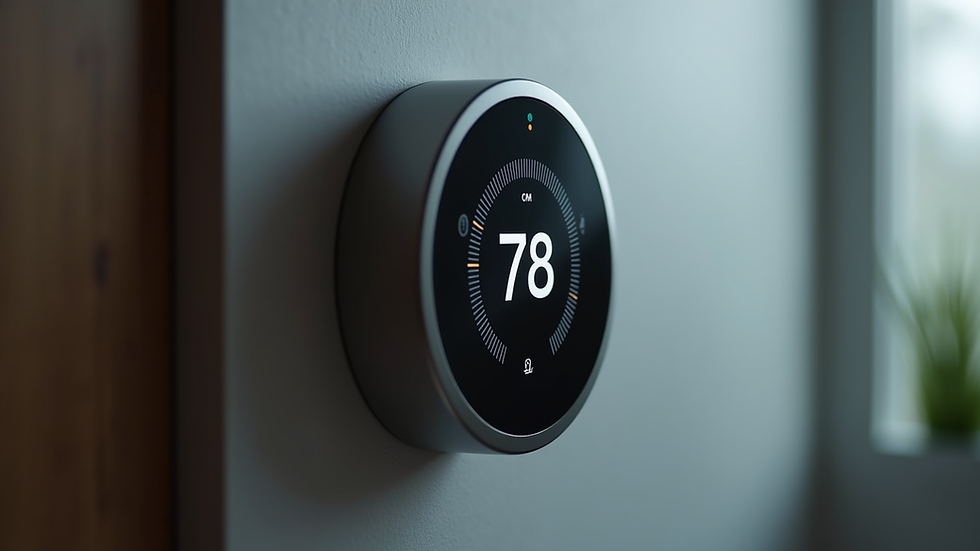
A malfunctioning thermostat can lead to discomfort and increased energy bills. Regular calibration ensures your HVAC system operates efficiently. Here’s how to manage your thermostat:
Check Settings: Ensure your thermostat is set to the correct temperature and mode (heating or cooling).
Calibration: If your thermostat is not reading the temperature accurately, it may need recalibration. Consult the user manual for instructions.
Upgrade Options: Consider upgrading to a smart thermostat for better control and energy savings.
Inspecting Electrical Components
Electrical issues can lead to system failures and pose safety hazards. Regular inspection of electrical components is essential. Here’s what to look for:
Wiring: Check for frayed or damaged wires. If you notice any, contact a professional for repairs.
Connections: Ensure all electrical connections are tight and secure.
Capacitors and Contactors: Inspect these components for signs of wear and replace them if necessary.
Scheduling Professional Maintenance
While DIY maintenance is important, scheduling professional inspections is equally crucial. Here’s why:
Expertise: HVAC professionals have the training and tools to identify issues you might miss.
Comprehensive Check: A professional maintenance visit typically includes checking refrigerant levels, inspecting the heat exchanger, and testing system performance.
Seasonal Preparation: Schedule maintenance before the heating or cooling season to ensure your system is ready for peak usage.
Managing Humidity Levels
Humidity can significantly affect the comfort level in your home. An HVAC system should help manage humidity effectively. Here’s how to ensure proper humidity control:
Dehumidifiers: Consider using a dehumidifier in areas with high humidity, such as basements.
Ventilation: Ensure your home is well-ventilated to prevent moisture buildup.
Monitor Levels: Use a hygrometer to keep track of indoor humidity levels. Aim for a range of 30-50%.
Insulating Your Home
Proper insulation can enhance the efficiency of your HVAC system. Here’s how to improve insulation:
Check Insulation: Inspect your attic, walls, and floors for adequate insulation.
Seal Gaps: Use caulk or weather stripping to seal gaps around windows and doors.
Upgrade Options: If your insulation is outdated, consider upgrading to more energy-efficient materials.
Understanding Energy Efficiency Ratings
Familiarizing yourself with energy efficiency ratings can help you make informed decisions about your HVAC system. Here are some key ratings to know:
SEER (Seasonal Energy Efficiency Ratio): Measures cooling efficiency. Higher SEER ratings indicate better efficiency.
AFUE (Annual Fuel Utilization Efficiency): Measures heating efficiency. A higher AFUE means more efficient heating.
HSPF (Heating Seasonal Performance Factor): Measures the efficiency of heat pumps. Look for higher HSPF ratings for better performance.
Keeping Outdoor Units Clear
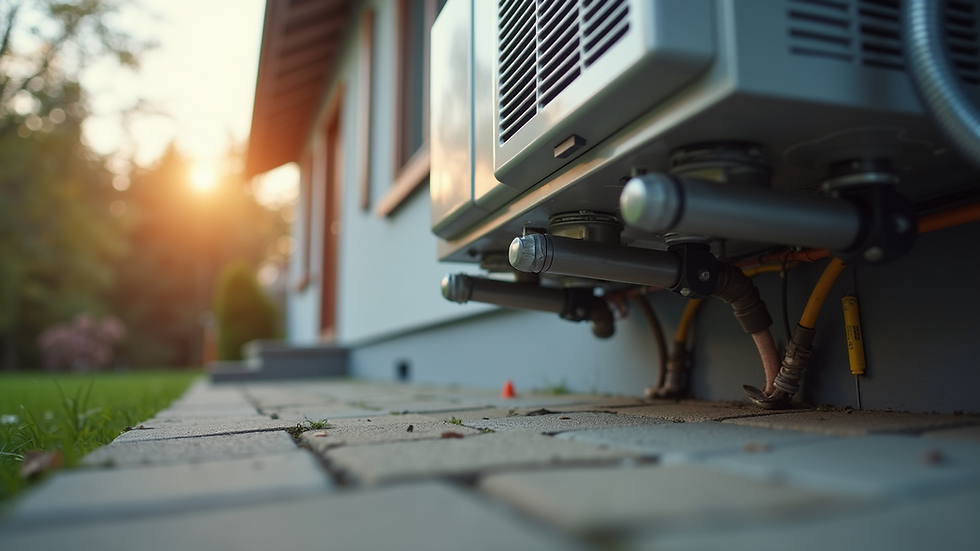
Outdoor units require space for proper airflow. Here’s how to maintain your outdoor HVAC unit:
Clear Debris: Remove leaves, dirt, and other debris from around the unit.
Maintain Clearance: Ensure at least two feet of clearance around the unit for optimal airflow.
Winter Protection: In colder climates, consider covering the unit during winter months to protect it from snow and ice.
Monitoring System Performance
Regularly monitoring your HVAC system’s performance can help you catch issues early. Here’s what to keep an eye on:
Unusual Noises: Listen for strange sounds like banging or hissing, which could indicate a problem.
Temperature Fluctuations: If certain rooms are consistently warmer or cooler, it may signal an issue with your system.
Increased Energy Bills: A sudden spike in energy costs could indicate inefficiency or a malfunction.
Conclusion
Regular maintenance of your HVAC system is essential for comfort, efficiency, and longevity. By following these essential tips, you can ensure your system operates smoothly and effectively. Remember, while DIY maintenance is important, don’t hesitate to call in professionals for comprehensive inspections and repairs. Taking proactive steps today can save you time, money, and discomfort in the future.
Make it a habit to check your system regularly, and enjoy the peace of mind that comes with a well-maintained HVAC system.
Comments